

Noisy garage door
Worn rollers make most of the noise, old steel ones above all. After them come dry hinges, loose bolts and brackets, and an opener chain or gear.
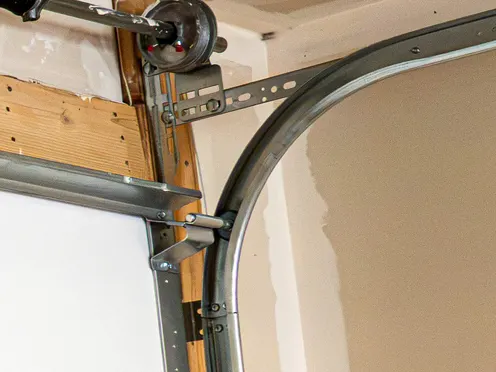
What to do right now
- Step 1 Run the door once and listen for where the noise starts.
- Step 2 Spray garage door lube on the hinge pivots and the roller bearings.
- Step 3 Give the opener rail a light coat where the trolley slides.
- Step 4 Skip the tracks, the cables and the brackets that hold the springs.
Likely causes
- Old steel rollers A grinding rumble from the sides as the door travels up and down. from$259
- Dry hinges A squeak at the joints between sections as they round the curve. from$149
- Loose bolts and brackets A rattle or buzz that gets worse as the door starts and stops. from$149
- Opener chain or gear A slap, clatter or grind from the rail or the motor on the ceiling. from$199
You’ll know the exact price at the door, before work begins.
When to call us
Call if the lube didn’t help, or if you hear a bang, a pop or a jerk as the door moves. That points to a spring or the track, not dry hinges.
Common questions
What can I spray on a noisy garage door?
A spray lube made for garage doors, such as white lithium or silicone. Put it on the hinge pivots, the roller bearings and the opener rail. Leave the tracks, cables and spring hardware dry. On old steel rollers, spray only quiets them for a while.
What does it cost to quiet a noisy garage door?
A tune-up starts at $149: moving parts lubed, hardware tightened, balance and sensors checked. If worn rollers are the noise, a full new set starts at $259. Quieter nylon rollers with sealed bearings cost more than basic ones.